

Body Fat Percentage Calculator
Estimate body fat from formula, BMI, or circumference measurements
Pick a method below. Navy and Army require neck and waist (and hip for women). All math runs locally in your browser.Input details
Results
--| Category | Women | Men |
|---|---|---|
| Essential fat | 10%–13% | 2%–5% |
| Athletes | 14%–20% | 6%–13% |
| Fitness | 21%–24% | 14%–17% |
| Average | 25%–31% | 18%–24% |
| Obese | 32%+ | 25%+ |
Body Fat Percentage Calculator: The Complete Guide
Your weight on a scale only tells half the story. This guide walks through what body fat actually is, how a body fat percentage calculator estimates it, what counts as a healthy range for your age and gender, and exactly what to do if your number needs to move in either direction.
Step on almost any bathroom scale and you get a single number: total body weight. What that number does not tell you is how much of it is muscle, bone, water, organ tissue, or fat. Two people can share the exact same height and weight and have dramatically different health profiles simply because one carries more lean mass and the other carries more fat. That is the gap a body fat percentage calculator is built to close.
Body fat percentage is the proportion of your total body weight that comes from fat tissue, expressed as a simple percentage. A 180-pound man with 20% body fat is carrying roughly 36 pounds of fat and 144 pounds of lean mass, while a 180-pound man at 30% body fat is carrying 54 pounds of fat for only 126 pounds of lean tissue. Same scale weight, very different bodies, very different health implications.
Throughout this guide we will work through how body fat is actually measured, walk through a real calculation step by step, compare the major estimation methods side by side, and lay out reference ranges by age and gender so you know where your own number sits. We will also cover the health stakes on both ends of the spectrum, because having too little body fat carries its own set of risks, and finish with practical, evidence-based steps for moving your number in whichever direction your goals require.
What Is Body Fat, Overweight, and Obesity?
Body fat is adipose tissue, the body's primary energy reserve. It is not inherently bad; a baseline amount of fat is essential for hormone production, temperature regulation, cushioning organs, and storing the energy needed to survive periods without food. Fat is generally grouped into two categories. Subcutaneous fat sits directly under the skin and is the soft tissue you can pinch at the waist, hips, or thighs. Visceral fat is stored deeper in the abdominal cavity, wrapped around organs like the liver, pancreas, and intestines, and it is metabolically far more active and far more dangerous than subcutaneous fat even at the same total volume.

Overweight and obesity are clinical classifications most commonly defined using Body Mass Index, or BMI, which divides weight in kilograms by height in meters squared. The World Health Organization classifies a BMI between 25 and 29.9 as overweight, and a BMI of 30 or above as obese. BMI is useful at a population level because it is fast and inexpensive to calculate, but it is a weight-to-height ratio, not a measure of fat. It has no way of knowing whether the extra weight on the scale is muscle or fat, which is precisely why a body fat percentage calculator is such a valuable companion metric.
Obesity itself is increasingly defined not just by BMI but by excess adiposity that begins to impair health, meaning the threshold that matters clinically is really a body fat percentage above roughly 25% for men and 32% for women, regardless of what the scale or BMI chart says. A muscular athlete can have a BMI in the "overweight" range while carrying single-digit body fat, and a sedentary person with a "normal" BMI can still be carrying enough fat to qualify as what researchers call normal-weight obesity.
BMI tells you about your weight relative to your height. Body fat percentage tells you what that weight is actually made of. The two numbers answer different questions, and the most complete picture comes from looking at both together.
Where fat is distributed on the body matters almost as much as how much of it there is. Android fat distribution, sometimes described informally as an "apple shape," concentrates fat around the abdomen and is more common in men and in women after menopause. Because abdominal fat is more likely to include visceral fat around the organs, this pattern carries a higher metabolic risk at the same total body fat percentage compared to fat stored elsewhere. Gynoid fat distribution, or a "pear shape," concentrates fat around the hips, thighs, and buttocks, a pattern more common in women before menopause, and tends to be subcutaneous rather than visceral, which research generally associates with a comparatively lower metabolic risk profile. This is one of the reasons two people with an identical body fat percentage can still carry meaningfully different health risk, and it is part of why waist circumference is often tracked as a supplementary marker alongside body fat percentage itself.
Measuring Body Fat Percentage: Methods & a Worked Example
There is no perfectly accurate, perfectly convenient way to measure body fat outside of a laboratory. Every method available trades off accuracy against cost, accessibility, and ease of use. Below are the methods you are most likely to encounter, ranked roughly from most accessible to most precise.
Tape Measure (U.S. Navy Method)
The U.S. Navy circumference method uses a flexible tape measure to record neck, waist, and (for women) hip circumference, then plugs those numbers into a logarithmic formula alongside height. It requires no special equipment beyond a soft tape measure and a stable formula, which is exactly the calculation a typical online body fat percentage calculator runs in the background. Research on the method has found an error margin of roughly 3 to 4 percentage points compared to laboratory methods, which is accurate enough for most people tracking long-term trends.

The formulas, using measurements in inches and height in inches, are:
| Gender | Formula |
|---|---|
| Men | BF% = 86.010 × log10(waist − neck) − 70.041 × log10(height) + 36.76 |
| Women | BF% = 163.205 × log10(waist + hip − neck) − 97.684 × log10(height) − 78.387 |
Here is what that looks like with real numbers for a man who is 5'10" (70 inches) tall, with a 15-inch neck and a 34-inch waist:
A woman who is 5'5" (65 inches) tall with a 13-inch neck, 30-inch waist, and 38-inch hip would work through the same logic with the women's formula and land at approximately 28.5% body fat, which falls inside the "Average/Acceptable" category. The math looks intimidating written out, but it is exactly what any online body fat percentage calculator is doing the instant you submit your measurements.
Skinfold Calipers
A trained technician pinches skin and underlying fat at several standard sites — commonly the triceps, abdomen, and thigh for a 3-site protocol, or up to seven sites for more detail — and measures the thickness with a spring-loaded caliper. The readings feed into population-specific equations such as the Jackson-Pollock formulas. Done correctly by an experienced tester, skinfold testing can land within 3 to 4 percentage points of hydrostatic weighing, but accuracy drops sharply with an inexperienced tester or inconsistent technique.
Bioelectrical Impedance Analysis (BIA)
BIA scales and handheld devices send a low, imperceptible electrical current through the body and measure the resistance. Fat tissue conducts electricity differently than muscle and water, so the device estimates composition from that resistance reading. BIA is fast, requires no technician, and is built into many consumer smart scales, but it is highly sensitive to hydration status, recent exercise, and food intake, which can swing results by several percentage points between readings taken on the same day.
DEXA Scan, Bod Pod, and Hydrostatic Weighing
These three methods sit at the top of the accuracy ladder and are generally only available through medical or research facilities. A DEXA (dual-energy X-ray absorptiometry) scan uses low-dose X-rays to distinguish fat, lean mass, and bone density with error margins often under 2%. The Bod Pod uses air displacement plethysmography to calculate body volume inside a sealed chamber. Hydrostatic weighing, the long-standing "gold standard," submerges a person in water and calculates body density from water displacement. All three require special equipment and a paid appointment, but they remain the benchmark against which every at-home method is validated.
Reference Data: Categories by Formula and Gender
Once you have an estimate, the next question is what to do with it. Different organizations have published slightly different category breakpoints, but the most widely cited civilian standard comes from the American Council on Exercise (ACE). The table below lays out those categories side by side for men and women, since essential fat requirements and healthy ranges genuinely differ by gender.

| Category | Women | Men |
|---|---|---|
| Essential Fat | 10–13% | 2–5% |
| Athletes | 14–20% | 6–13% |
| Fitness | 21–24% | 14–17% |
| Average / Acceptable | 25–31% | 18–24% |
| Obese | 32%+ | 25%+ |
Because no single measurement method is perfect, it also helps to know how the major approaches compare on accuracy, cost, and convenience before you decide which one to rely on for tracking progress.
| Method | Typical Error Margin | Cost | Convenience |
|---|---|---|---|
| Tape Measure (Navy Method) | ±3–4% | Free–Low | High |
| Bioelectrical Impedance (BIA) | ±3–8% | Low–Medium | High |
| Skinfold Calipers | ±3–4% | Low | Medium |
| Bod Pod | ±2–3% | High | Low |
| Hydrostatic Weighing | ±1–2% | High | Low |
| DEXA Scan | ±1–2% | High | Low |
Notice that the gap in accuracy between a free tape-measure calculation and an expensive DEXA scan is often only a few percentage points. For the vast majority of people, the more important factor is not which method delivers the single most precise number, but which method you will actually use consistently, under the same conditions, often enough to track a real trend over weeks and months.
Body Fat Percentage vs. BMI: What's the Difference?
BMI and body fat percentage are often confused because both are used to describe whether someone is carrying a healthy amount of weight, but they measure fundamentally different things. BMI is a ratio of weight to height squared. It takes thirty seconds to calculate and requires nothing but a scale and a tape measure for height, which is why it remains the most widely used screening tool in medicine. Its core weakness is that it cannot tell the difference between a pound of muscle and a pound of fat.

This creates two well-documented failure points. The first is muscular individuals being misclassified as overweight or obese by BMI despite having low body fat, a pattern common among athletes, powerlifters, and rugby players. The second, more clinically concerning failure point is "normal-weight obesity," where someone lands in a healthy BMI range on paper while still carrying enough excess fat, often visceral fat, to raise their risk for the same metabolic conditions associated with obesity. Studies have found that a meaningful share of people with a "normal" BMI still have a body fat percentage high enough to be classified as obese by direct measurement.
Body fat percentage avoids both failure points because it measures the actual tissue composition rather than inferring it from a height-weight ratio. The trade-off is that it requires an extra measurement step, whether that is a tape measure, an impedance scale, or a clinical scan, and it carries its own margin of error depending on which method you choose. The most reliable approach for most people is to use BMI as a fast initial screen and a body fat percentage calculator as the more detailed follow-up, particularly if your BMI sits near a category boundary or you train regularly and suspect your muscle mass is skewing the number.
Ideal Body Fat Percentage for Women
Women carry more essential fat than men by biological necessity. Estrogen production, regular menstrual cycling, and healthy pregnancy outcomes all depend on maintaining a baseline of body fat, which is why the "essential fat" floor for women sits at 10 to 13% rather than the 2 to 5% seen in men. Dropping below that floor for an extended period, something seen in some competitive athletes and individuals with disordered eating, can disrupt hormone production enough to cause amenorrhea (loss of menstrual cycle) and accelerated bone density loss.

Within the healthy range, where a given woman should sit depends heavily on goals and life stage. Competitive athletes in sports that reward leanness, like distance running or gymnastics, often sit at the lower end of the "Athletes" band, while women focused on general fitness and strength training comfortably maintain 21–24% with visible muscle definition. The broad "Average/Acceptable" range of 25–31% is consistent with good health markers for most women and should not be treated as a number to aggressively chase below unless there is a specific performance reason to do so. Body fat naturally trends upward with age, and pregnancy and post-menopausal hormonal shifts both tend to increase the baseline as well, none of which is cause for alarm on its own.
Ideal Body Fat Percentage for Men
Men require far less essential fat than women, with the floor sitting around 2 to 5%, a level typically only seen in competitive bodybuilders during contest preparation and rarely sustainable or healthy year-round. The 6 to 13% "Athletes" band is where many endurance athletes and physique-focused lifters maintain themselves during training cycles, often with visible abdominal definition appearing somewhere in the 10 to 15% range depending on individual genetics and where fat is distributed.

For the average man focused on general health rather than physique competition, the 14 to 24% "Fitness" and "Average" bands represent a healthy, sustainable target that supports normal testosterone production, good energy levels, and reasonable visible muscle tone without requiring restrictive dieting. Once body fat climbs past 25%, research consistently links the increase to higher rates of insulin resistance, elevated blood pressure, and lower circulating testosterone, particularly when the excess fat concentrates around the abdomen as visceral fat rather than spreading more evenly as subcutaneous fat.
Why Should I Control My Body Fat?
Body fat percentage matters because it is one of the most direct predictors of long-term metabolic health available outside a hospital lab. Fat tissue is not inert storage; it is hormonally active, releasing and responding to signals that affect appetite, inflammation, insulin sensitivity, and even mood. Keeping body fat inside a healthy range keeps that signaling system working the way it is supposed to.

There is also a clear performance angle. Carrying excess fat adds load to joints and the cardiovascular system during everyday movement, which is part of why people often report feeling more energetic and recovering faster from exercise as their body fat percentage drops toward a healthy range. On the flip side, having adequate (not excessive, not deficient) body fat supports hormone production, which affects everything from sleep quality to libido to mood stability. Finally, there is a straightforward longevity case: large epidemiological studies consistently associate healthy body fat ranges with lower all-cause mortality compared to either very high or extremely low body fat, which is the core reason this is framed as a range to manage rather than a number to minimize.
There is a practical, day-to-day case for managing body fat as well. Clothes fit more predictably, physical tasks like climbing stairs or carrying groceries feel less taxing, and many people report a meaningful boost in confidence and body image once their body composition shifts toward a healthier range, independent of what the bathroom scale says. None of this requires chasing an extreme number; the research is consistent that the health and performance benefits plateau well before the leanest end of any given category, which is exactly why this guide frames body fat management as finding a sustainable range rather than a finish line to sprint toward.
Potential Complications of Excess Body Fat
When body fat, particularly visceral fat, accumulates beyond a healthy range, it raises the risk for a well-documented list of conditions. None of these are guaranteed outcomes, but the statistical link between excess body fat and each one is strong and consistent across decades of research.

- Type 2 diabetes and insulin resistance: excess fat, especially visceral fat, interferes with how effectively cells respond to insulin, driving blood sugar levels upward over time.
- Cardiovascular disease and hypertension: higher body fat is linked to elevated LDL cholesterol, higher blood pressure, and increased strain on the heart.
- Non-alcoholic fatty liver disease: visceral fat in particular is closely tied to fat accumulation in and around the liver.
- Obstructive sleep apnea: excess tissue around the neck and upper airway increases the likelihood of airway collapse during sleep.
- Osteoarthritis and joint strain: every additional pound of body weight multiplies the load placed on weight-bearing joints like the knees and hips during walking and standing.
- Hormonal disruption: excess fat is linked to lower testosterone in men and conditions such as polycystic ovary syndrome (PCOS) in women.
- Certain cancers: research has linked elevated body fat to increased risk for several cancers, including colorectal and postmenopausal breast cancer.
- Mental health impact: chronic excess weight is associated with higher rates of depression and reduced quality of life, often compounding the physical risk factors above.
How to Reduce Body Fat
Reducing body fat comes down to a small number of levers that, applied consistently, reliably move the number in the right direction. None of them require extreme measures, and the people who keep fat off long-term are almost always the ones who treat these as permanent habits rather than a temporary push.
Create a Moderate Calorie Deficit
Fat loss ultimately requires burning more energy than you consume. A deficit of roughly 300 to 500 calories per day produces a sustainable rate of fat loss of about 0.5 to 1% of body weight per week for most people, without triggering the severe hunger and muscle loss that come with aggressive crash diets.
Prioritize Protein
Higher protein intake, generally in the range of 0.7 to 1 gram per pound of body weight, helps preserve lean muscle mass during a calorie deficit, keeps appetite under better control, and has a higher thermic effect than carbohydrates or fat, meaning the body burns more energy simply digesting it.
Train With Resistance, Not Just Cardio
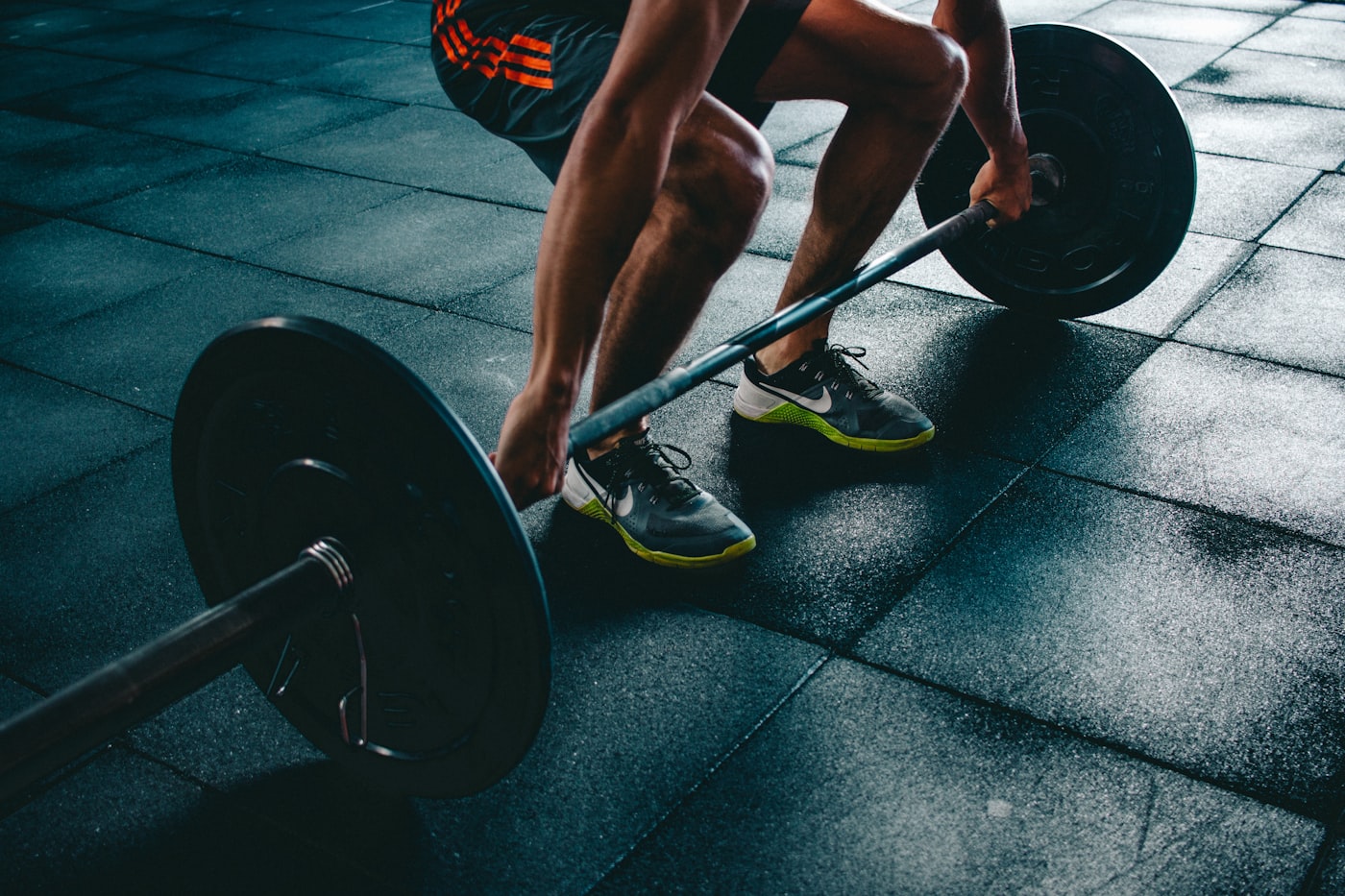
Cardiovascular exercise burns calories during the session itself, but resistance training signals the body to retain and build lean muscle mass even while in a calorie deficit. Since muscle is more metabolically active than fat, preserving it keeps your resting metabolic rate higher throughout the fat-loss process.
Manage Sleep and Stress
Chronic sleep deprivation and elevated cortisol from ongoing stress both push appetite hormones in the wrong direction and make fat loss measurably harder, independent of diet and exercise. Treating sleep as a non-negotiable part of a body composition plan, not an afterthought, consistently improves results.
Stay Consistent Over Being Perfect
The single biggest predictor of long-term fat loss success is adherence, not the specific diet or training style chosen. A moderately effective plan followed consistently for months outperforms a theoretically perfect plan abandoned after two weeks.
How to Increase Body Fat Percentage
Not everyone using a body fat percentage calculator is trying to lose fat. Underweight individuals, recovering athletes, and people coming off aggressive cutting phases sometimes need to deliberately raise their body fat percentage back into a healthy range, and doing it well matters just as much as doing it at all.
Build a Modest, Sustained Calorie Surplus
Eating roughly 250 to 500 calories above maintenance each day allows the body to gradually rebuild fat and lean tissue without the digestive discomfort and excessive fat gain that come with extreme overfeeding.
Keep Resistance Training in the Mix
A surplus without training tends to direct most of the added calories toward fat storage. Continuing to lift weights during a weight-gain phase ensures a meaningful share of the surplus goes toward building muscle rather than fat alone, which keeps the resulting increase in body fat percentage more moderate and more functional.
Choose Calorie-Dense, Nutrient-Dense Foods
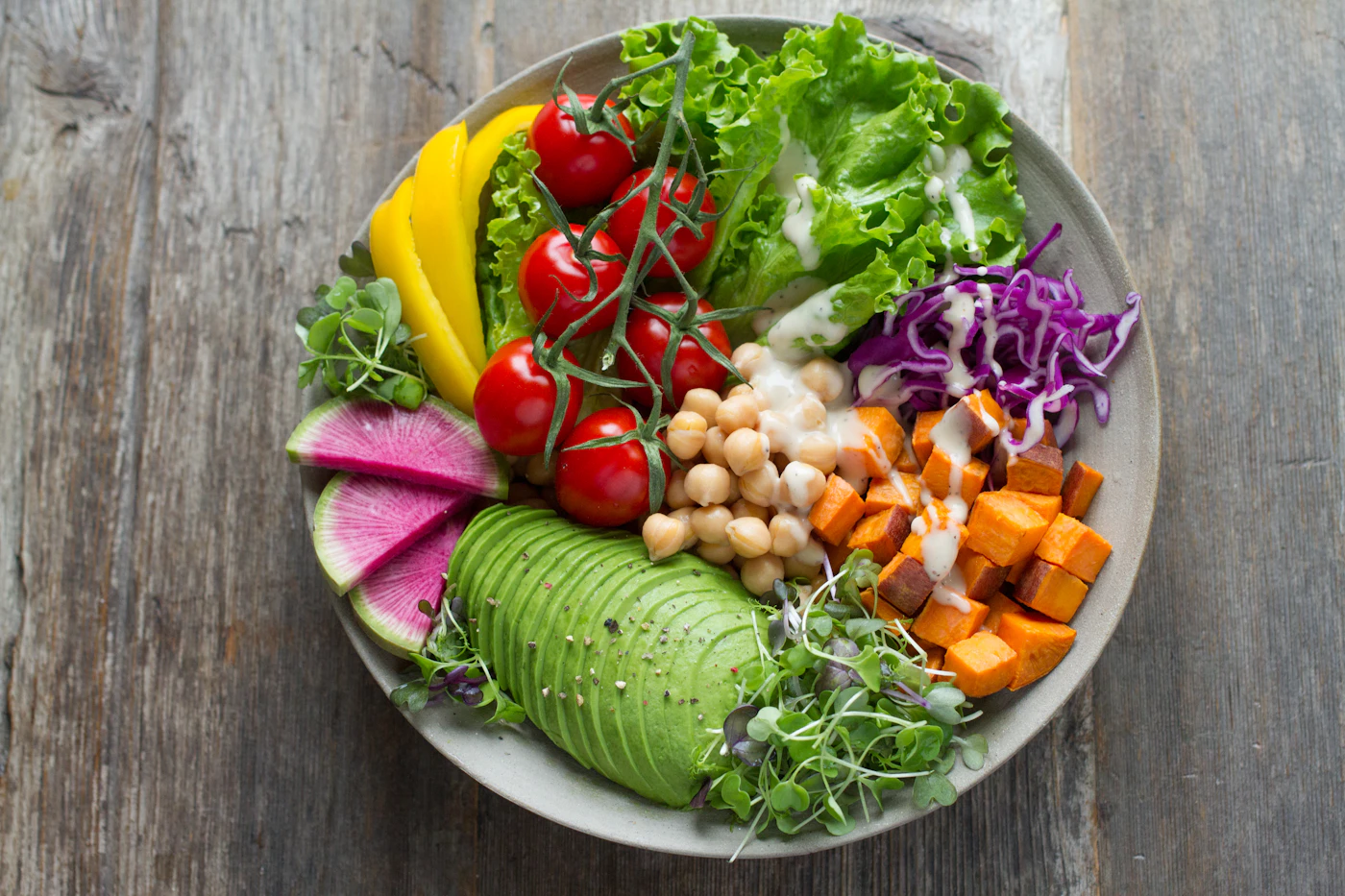
Healthy fats such as olive oil, nuts, and avocado, along with whole grains and dairy, make it easier to hit a calorie surplus without feeling constantly overly full, compared to trying to get there through lower-density foods alone.
Watch the Rate of Gain
Gaining roughly 0.25 to 0.5% of body weight per week is a reasonable pace that limits how much of the gain ends up as fat versus muscle. Faster gain rates almost always skew more heavily toward fat.
Know When to Involve a Doctor
If very low body fat is accompanied by missed menstrual cycles, persistent fatigue, hair loss, or other signs of hormonal disruption, that is a signal to involve a physician rather than relying on diet changes alone, since underlying medical or behavioral factors may need to be addressed directly.
Limitations and Accuracy of Body Fat Calculators
Every body fat percentage calculator, whether it uses the tape-measure formula, a BMI-based estimate, or a smart scale, is producing an estimate, not a diagnosis. It is worth understanding where the error comes from before treating any single reading as gospel.

Hydration status alone can shift a bioelectrical impedance reading by several percentage points within the same day, since the technology depends on how electricity moves through body water. Measurement technique introduces error into tape-based methods; a tape that is pulled too tight, placed at the wrong landmark, or read at a different time of day than the previous measurement will produce a number that looks like real progress or regression when it is really just measurement noise. Body shape and fat distribution also affect accuracy, since formulas built from population averages fit some body types more precisely than others. None of this makes these tools useless. It means the right way to use a body fat percentage calculator is to track the trend across repeated measurements taken the same way, rather than treating any single number as a precise, final figure.
Tips for Getting an Accurate Measurement at Home

- Measure at the same time of day, ideally first thing in the morning before eating or drinking, when fluid retention is at its lowest and most consistent point.
- Use the same method every time. Comparing a tape-measure reading from one week to a BIA scale reading from the next will produce numbers that are not actually comparable.
- Keep the tape snug, not tight. The tape should sit flush against the skin without compressing the underlying tissue, and it should stay level and parallel to the floor.
- Take two or three readings and average them rather than relying on a single pass, since even careful measuring introduces a small amount of variability.
- Track trends over weeks, not days. A single measurement can be thrown off by hydration, recent meals, or sleep; a four-to-six-week trend line tells a far more reliable story.
- Pair the number with how you actually feel and perform. Energy levels, strength in the gym, and how clothes fit are all useful confirming signals alongside the calculator's output.
Frequently Asked Questions
What is a good body fat percentage?
For most adults focused on general health rather than competitive leanness, 14–24% for men and 21–31% for women represents a healthy, sustainable range. The exact ideal number within that range depends on age, activity level, and personal performance goals rather than a single universal target.
How accurate are body fat percentage calculators?
Tape-measure and BMI-based calculators typically land within 3 to 5 percentage points of more precise clinical methods like DEXA scans. That margin is too wide to treat any single reading as exact, but it is accurate enough to track meaningful trends over weeks and months.
What is the difference between body fat percentage and BMI?
BMI compares your weight to your height and cannot tell the difference between muscle and fat. Body fat percentage measures the actual proportion of fat tissue in your body, which makes it a more direct, though slightly more involved, indicator of body composition.
Can I have a normal BMI but still have high body fat?
Yes. This pattern, sometimes called "normal-weight obesity" or informally "skinny fat," occurs when someone has a healthy BMI but a body fat percentage high enough to be classified as obese by direct measurement, usually because they are carrying relatively low muscle mass alongside excess fat.
How often should I measure my body fat percentage?
Every two to four weeks is generally enough to capture a meaningful trend without overreacting to normal day-to-day fluctuations caused by hydration, sodium intake, or recent exercise. Measuring daily tends to create noise rather than useful signal.
What is the difference between visceral fat and subcutaneous fat?
Subcutaneous fat sits just under the skin and is the soft tissue you can pinch. Visceral fat is stored deeper around the abdominal organs and is considered more metabolically harmful, with stronger links to insulin resistance and cardiovascular risk, even at similar total volumes.
Does body fat percentage naturally change with age?
Yes. Body fat percentage tends to rise gradually with age even at a stable body weight, largely due to natural declines in muscle mass and shifts in hormone levels, which is why reference ranges are sometimes adjusted slightly upward for older age brackets.
Can you lose body fat without the number on the scale changing much?
Yes, this is common during body recomposition, where fat loss and muscle gain happen at a similar rate. Scale weight can stay roughly flat while body fat percentage drops and lean mass increases, which is exactly the scenario where a body fat percentage calculator is more informative than weight alone.
What is the most accurate way to measure body fat at home?
Among at-home options, the U.S. Navy tape-measure method tends to be the most consistently accurate for the average person, with an error margin of roughly 3 to 4 percentage points, as long as measurements are taken carefully and consistently.
Is losing weight the same thing as losing body fat?
Not necessarily. Scale weight includes water, muscle, and fat all together, so weight lost quickly, especially in the first week or two of a new diet, is often largely water rather than fat. Tracking body fat percentage alongside scale weight gives a clearer picture of whether the tissue actually being lost is fat, which is the outcome most people are really after.
Is it possible for body fat percentage to be too low?
Yes. Dropping below essential fat levels, roughly 2–5% for men and 10–13% for women, can disrupt hormone production, immune function, and in women, menstrual cycling, and is generally only sustained briefly by competitive athletes under close supervision rather than as a long-term target.